

Stories That Shape Us: Celebrating Black History Month Through the NBF Lens
Before megachurches, before media ministries, before influence was measured in followers, African-American faith leaders quietly built the spiritual foundations of the modern Church.
Through prayer, holiness, sacrifice, and obedience, they carried revivals, formed institutions, and stewarded movements that still shape us today.
This series honors four such generals whose faith shaped history and whose obedience strengthened generations.
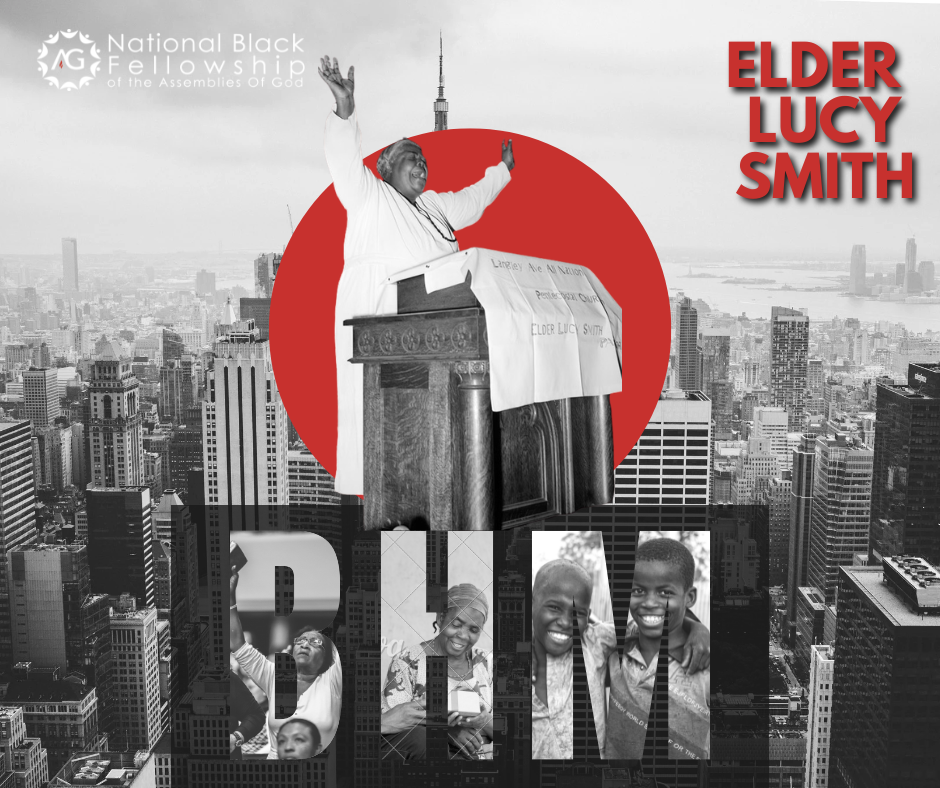
A Life Anchored in Prayer and Healing
Elder Lucy Smith carried a prayer mantle that transformed a city.
In early 20th-century Chicago, she built one of the largest Pentecostal congregations in the nation — without microphones, social media, or institutional backing.
Her ministry was marked by healing, deliverance, and relentless prayer.
Lucy Smith’s authority flowed from intimacy with God. She created space for people to encounter the Holy Spirit, be restored, and step into faith. Her leadership opened doors for women in ministry long before it was celebrated or accepted.
She shows us that when prayer is central, influence follows — not the other way around.
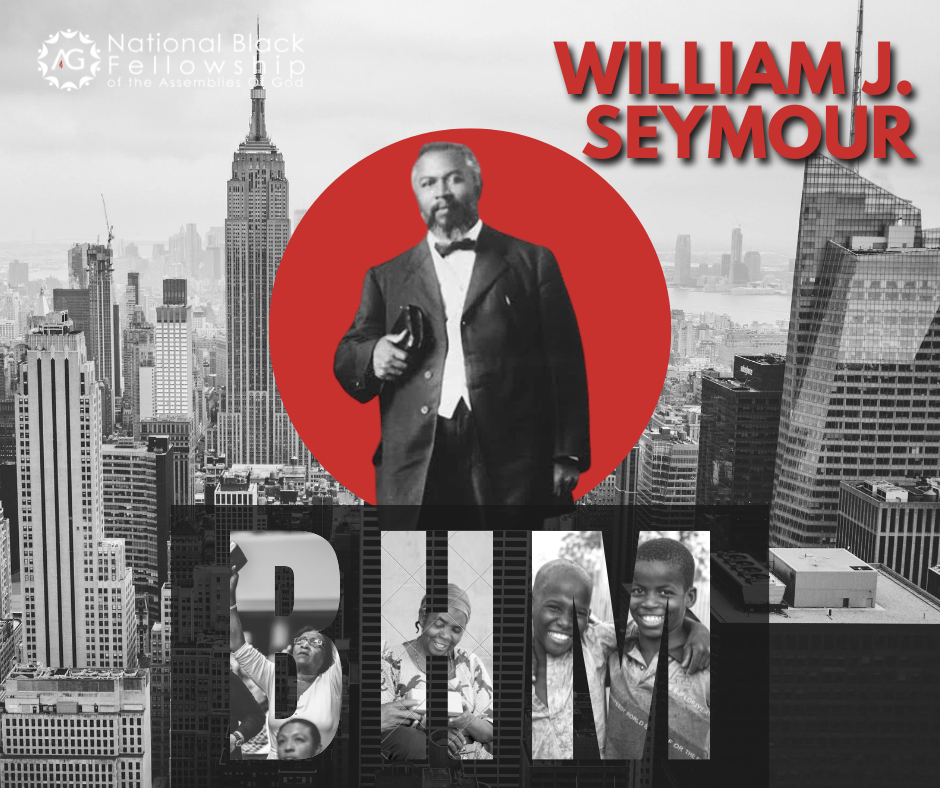
The Holy Spirit unites what the world divides.
William J. Seymour led one of the most transformative revivals in church history — and he did it from his knees.
The Azusa Street Revival wasn’t polished or powerful by human standards. It was marked by humility, interracial worship, repentance, and hunger for God. Seymour believed the Holy Spirit should lead everything — including who was welcome.
At a time of deep racial division, Azusa Street became a place where barriers fell and the Spirit moved freely. Seymour didn’t seek recognition. He sought obedience.
Through that surrender, a global Pentecostal movement was born.
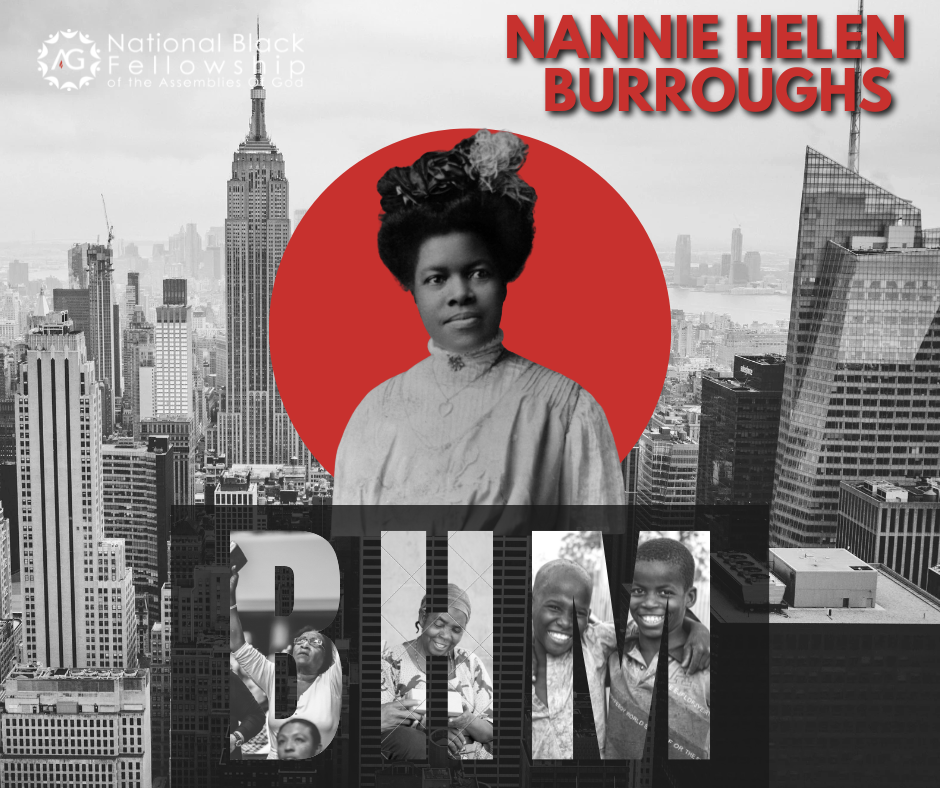
Faith That Forms Leaders and Institutions
Nannie Helen Burroughs believed faith should shape the whole person.
As an educator, minister, and Baptist leader, she built institutions that trained Black women and men for leadership, ministry, and economic stability. She saw education as a way to prepare believers to lead with integrity, competence, and confidence.
Burroughs challenged the Church to value discipline, dignity, and excellence. She understood that revival without formation would fade, but formation builds legacy.
Her work reminds us that the Gospel is not only proclaimed — it is cultivated!
Who are we intentionally forming for the future?
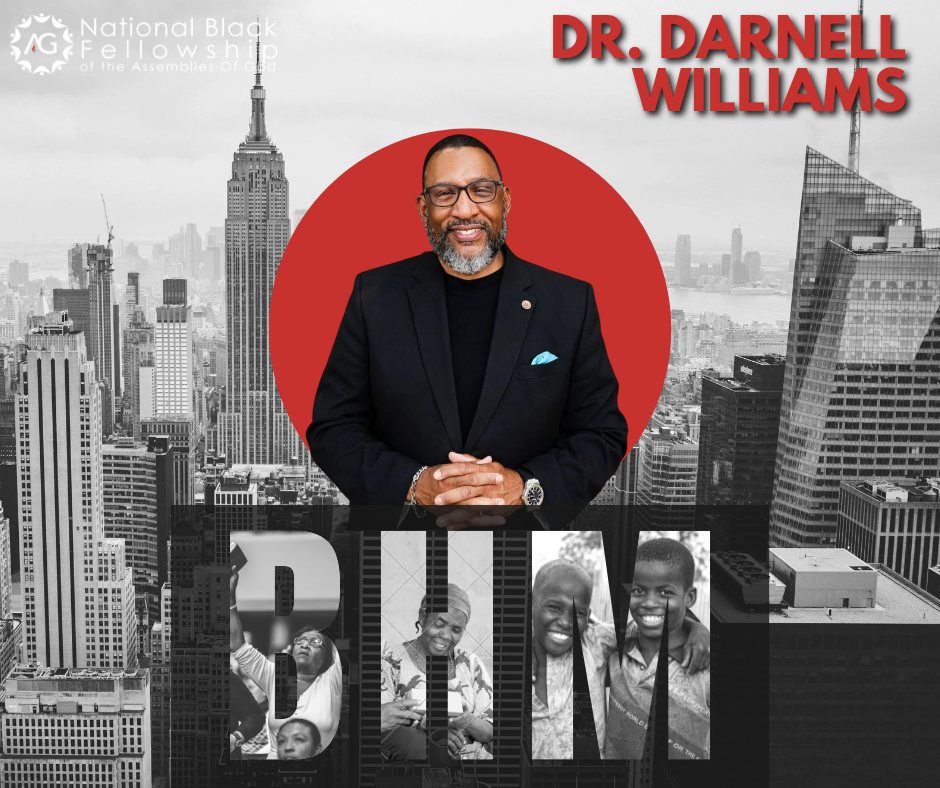
Servant Leadership That Builds Generations
Dr. Darnell Williams is what you would call a leader of leaders.
Dr. Williams' life has been marked by servant leadership. Beyond his role as the President of the National Black Fellowship of the Assemblies of God, he is a husband, father, pastor, educator and AG executive presbyter. His historic appointment as the first African American President of the premier Assemblies of God educational institution, North Central University, reminds us that legacy is built by those willing to pour themselves out for others.
Dr. Williams' carries a deep sense of responsibility and purpose for building, strengthening and propelling the next generation of leaders to arise and fulfill God's great commission. Dr. Darnell has a passion for practical leadership principles, the multiethnic church, and addressing obstacles to those engaged in Urban Ministry.
Williams' is leading the equipping of the next generation of urban preachers as Director of the Lily Endowment grant funded Preaching Institute for City Transformation. He is actively raising urban preachers who understand their cities, proclaim the Gospel with clarity across cultures, and lead congregations toward both spiritual vitality and community transformation.
Take a moment to reflect: Who are you intentionally pouring into?
Ask God how your life can be used to strengthen His Church and serve His people, right where you are.